10 Carat Heart Natural Diamond Prices Comparison
A 10 carat heart natural diamond typically costs $369,206 (median of 10 listings at major online stores), with most between $99,917 and $477,952. Average prices rose 33.5% over the last month. Updated .
Average $358,170. Listings run from $8,412 to $839,649 in the 10.00–10.99 carat range.
See the live listingsLive listings
See allWhite diamonds (D to K), with photos first
10 Carat Heart Natural Diamond Market Overview
CaratRadar currently tracks 10 verified 10-carat heart natural diamonds in the 10.00–10.99 carat benchmark range, listed across major online stores. Prices in this segment range from $8,412 to $839,649, with an average asking price of $358,170 and a median of $369,206.
Across this category, asking prices span $831,237 (99.0% from the most expensive to the cheapest listing). The same certified diamond can also be listed at different prices by different retailers, which is why CaratRadar compares stones by certificate number.
These figures use the same benchmark range throughout the page and are based on our latest daily market data, matched by certification lab and certificate number across retailers, so you are comparing the exact same diamond.
10 diamonds tracked in the 10.00–10.99 carat benchmark
Price range: $8,412 to $839,649
Average price: $358,170
Median price: $369,206
Listed at major online stores
Category price spread: 99.0%
Price Range Overview
As of Nov 22, 2026Real market range for this carat, shape, and diamond type.
10
$8,412
$358,170
$369,206
$839,649
Price History
Price Comparison Matrix
Compare nearby
Prices for the next carat weights, other shapes and the lab grown twin.
Nearby carat weights
Other shapes at 10 carat
Same size, lab grown
Live Listings
See all listingsCompare current retailer offers in the same benchmark range and open any listing for full details.
 Save 23%
GIA | 10.21ct | Heart | K | VS2 | Ideal
From $200,000
Compare at $259,731

IGI | 10.03ct | Heart | H | SI1 | Very Good
From $217,733
Compare at $226,708
Save 21.8%GIA | 10.3ct | Heart | J | SI1 | Ideal
From $227,796
Compare at $291,439
Save 21.8%GIA | 10.05ct | Heart | H | VS2 | Very Good
From $322,264
Compare at $412,271
GIA | 10.12ct | Heart | F | VS2 | Excellent
From $455,174
Compare at $582,275
GIA | 10.11ct | Heart | F | VS2 | Ideal
From $518,436
Compare at $531,337
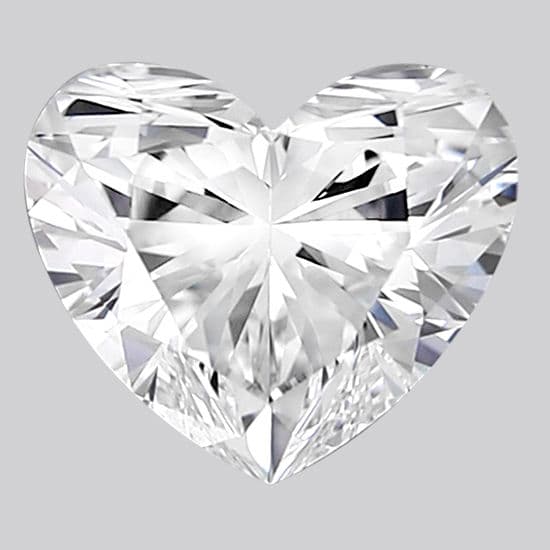
GIA | 10.37ct | Heart | G | VVS1 | Excellent
From $518,973
Compare at $568,625

GIA | 10.81ct | Heart | D | VVS2 | Excellent
From $651,104
Compare at $686,468
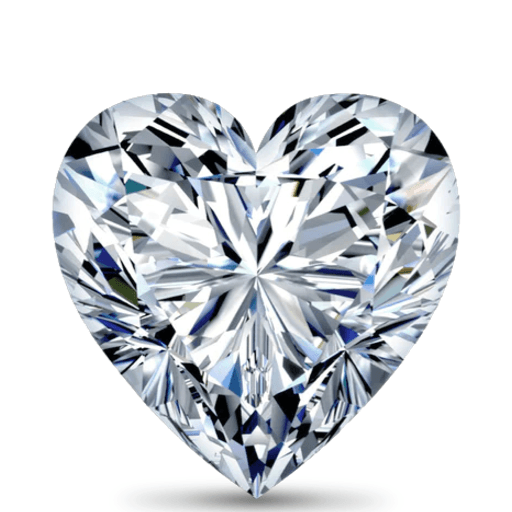 Save 16.1%
GIA | 10.01ct | Heart | D | FL | Very Good
From $719,628
Compare at $858,137
GIA | 10.06ct | Heart | D | FL | Very Good
From $752,267
Compare at $802,003
Entry pricing in this benchmark range starts around $8,412.
What to Know When Shopping for 10 Carat Heart Natural Diamonds
- Always compare identical certified diamonds across retailers, because the same certificate can be listed at different prices by different stores. Across this whole category, asking prices span $831,237 from the cheapest to the most expensive listing.
- Focus on the 4Cs that matter most to you. Color and clarity grades drive price more than cut in many segments, but cut affects sparkle the most.
- The median price of $369,206 is a useful benchmark. If you see a deal significantly below this, verify the retailer's reputation and return policy.
- Consider eye-clean alternatives. Moving one clarity grade down (e.g., VS2 to SI1) can save 10-15% with no visible difference to the naked eye.
- Compare natural vs. lab-grown options for the same carat and shape. Lab-grown diamonds are chemically identical but often 30-50% less expensive.
- Check shipping, insurance, and return policies. The lowest sticker price is not always the best deal once you factor in total cost of purchase.
- Heart-shaped diamonds require excellent symmetry to look balanced. Aim for carat weights above 0.5 where the shape is clearly visible.
Frequently Asked Questions
We currently track 10 comparable stones in the 10.00–10.99 carat benchmark range. Prices start around $8,412 and go up to $839,649.
Based on the latest market data, the average asking price is about $358,170 with a median around $369,206.
The observed spread is roughly $831,237 across tracked listings, which is about 99.0% from highest to lowest offer in the 10.00–10.99 carat benchmark range.
We refresh pricing data daily so these pages stay current with market changes.
Based on completed market data, the fair market benchmark is $358,170. The median price is $369,206, so offers between the median and fair benchmark can be reasonable, while reputable listings below the median may be especially competitive.
CaratRadar tracks this stone category across major online stores and matches each certified diamond by its grading lab and certificate number, so you compare the live prices of the same stone.
For most buyers, color differences below G are hard to detect once set in a ring. Clarity grades of VS2 and above are typically eye-clean. Prioritize cut quality for maximum brilliance, then balance color and clarity based on your budget.
Retailer pricing strategies, overhead costs, and margin targets all contribute. Across this category, asking prices span $831,237 from the cheapest to the most expensive listing, and the same certified diamond can also carry different prices at different sellers, which is why direct certified-diamond comparison is essential.
We match diamonds across retailers by their certification lab and certificate number. This means the prices you see are for the exact same physical diamond, not just stones with similar specs. It is a true apples-to-apples comparison.
Diamond prices fluctuate based on supply and demand. Our data refreshes regularly so you can track trends over time. Use the price range on this page as a benchmark and compare it to historical averages when available.
Diamond Terminology
- Carat
- A unit of weight for diamonds equal to 200 milligrams. Larger carat weights are exponentially rarer, which is why prices increase non-linearly with size.
- Cut
- Refers to how well a diamond's facets interact with light. Cut quality ranges from Ideal to Poor and is the single biggest factor affecting a diamond's brilliance.
- Color
- Grades a diamond's lack of color on a scale from D (colorless) to Z (light yellow). Grades D-F are considered colorless; G-J are near-colorless and offer good value.
- Clarity
- Measures the presence of internal inclusions or surface blemishes. Grades range from Flawless (FL) to Included (I3). Most inclusions in VS2 and above are invisible to the naked eye.
Tools and Guides
Tracking Natural inventory for the 10.00–10.99 carat Heart diamond benchmark.