6.3 Carat Round Natural Diamond Prices Comparison
As of February 2026, 6.3 carat round natural diamonds usually range from $8,345 to $249,719, with an average price of $141,233.In the last month, prices for these diamonds are down 1.2%.Compare 9 verified listings across 3 retailers tracked by CaratRadar.
6.3 Carat Round Natural Diamond Market Overview
CaratRadar currently tracks 9 verified 6.3-carat round natural diamonds listed across 3 online retailers. Prices in this segment range from $8,345 to $249,719, with an average asking price of $141,233 and a median of $124,679.
The price spread of $241,374 (96.7% from highest to lowest) highlights why comparing identical certified diamonds across multiple retailers matters. Two identical certified diamonds can differ by hundreds or even thousands of dollars depending on the retailer.
These figures are based on our latest daily market data, matched by certification lab and certificate number across retailers, so you are comparing the exact same diamond.
9 diamonds tracked in this segment
Price range: $8,345 to $249,719
Average price: $141,233
Median price: $124,679
Available across 3 retailers
Savings potential: up to 96.7%
Price Range Overview
As of Feb 28, 2026Real market range for this carat, shape, and diamond type.
9
$8,345
$141,233
$124,679
$249,719
Price History
Price Comparison Matrix
Live Listings
See all listingsCompare current retailer offers for this exact segment and open any listing for full details.
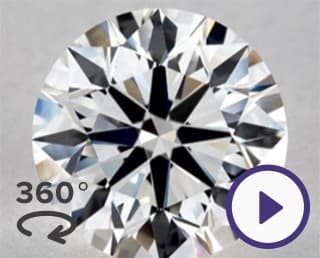
6.25ct | Round | D | SI1 | Excellent
From $204,385
Compare at $241,173
 GIA
GIA6.26ct | Round | K | VS2 | Very Good
From $106,531
Compare at $112,121
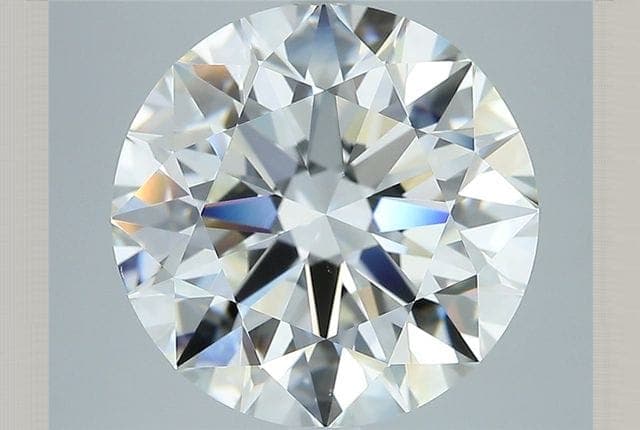
6.26ct | Round | H | SI2 | Excellent
From $131,836
Compare at $155,590
 GIASave 17.5%
6.26ct | Round | I | VS2 | Excellent
From $124,679
Compare at $151,087
GIASave 56.3%6.27ct | Round | D | VVS2 | Excellent
From $8,345
Compare at $19,112
 GIASave 15.3%
6.29ct | Round | G | VVS2 | Excellent
From $249,719
Compare at $294,878
 GIA
GIA6.29ct | Round | H | IF | Excellent
From $236,101
Compare at $236,483
6.31ct | Round | L | VVS1 | Excellent
From $101,107
Compare at $113,946
GIASave 10.4%6.31ct | Round | J | SI1 | Excellent
From $108,391
Compare at $120,950
Entry pricing in this category starts around $8,345.
What to Know When Shopping for 6.3 Carat Round Natural Diamonds
- Always compare identical certified diamonds across retailers. Identical certificate numbers can have price differences of $241,374 or more.
- Focus on the 4Cs that matter most to you. Color and clarity grades drive price more than cut in many segments, but cut affects sparkle the most.
- The median price of $124,679 is a useful benchmark. If you see a deal significantly below this, verify the retailer's reputation and return policy.
- Consider eye-clean alternatives. Moving one clarity grade down (e.g., VS2 to SI1) can save 10-15% with no visible difference to the naked eye.
- Compare natural vs. lab-grown options for the same carat and shape. Lab-grown diamonds are chemically identical but often 30-50% less expensive.
- Check shipping, insurance, and return policies. The lowest sticker price is not always the best deal once you factor in total cost of purchase.
- Round brilliants command a premium due to higher rough waste during cutting. If budget matters, consider oval or cushion shapes for similar visual size.
Frequently Asked Questions
We currently track 9 comparable stones in this segment. Prices start around $8,345 and go up to $249,719.
Based on the latest market data, the average asking price is about $141,233 with a median around $124,679.
The observed spread is roughly $241,374 across tracked listings, which is about 96.7% from highest to lowest offer in this bucket.
We refresh pricing data daily so these pages stay current with market changes.
Based on our data, the median price is $124,679, which represents the midpoint of the market. Anything below this figure from a reputable retailer is a solid deal.
We currently track this stone category across 3 online retailers, giving you a broad view of the competitive landscape.
For most buyers, color differences below G are hard to detect once set in a ring. Clarity grades of VS2 and above are typically eye-clean. Prioritize cut quality for maximum brilliance, then balance color and clarity based on your budget.
Retailer pricing strategies, overhead costs, and margin targets all contribute. The exact certified diamond can differ by $241,374 across sellers, which is why direct certified-diamond comparison is essential.
We match diamonds across retailers by their certification lab and certificate number. This means the prices you see are for the exact same physical diamond, not just stones with similar specs. It is a true apples-to-apples comparison.
Diamond prices fluctuate based on supply and demand. Our data refreshes regularly so you can track trends over time. Use the price range on this page as a benchmark and compare it to historical averages when available.
Diamond Terminology
- Carat
- A unit of weight for diamonds equal to 200 milligrams. Larger carat weights are exponentially rarer, which is why prices increase non-linearly with size.
- Cut
- Refers to how well a diamond's facets interact with light. Cut quality ranges from Ideal to Poor and is the single biggest factor affecting a diamond's brilliance.
- Color
- Grades a diamond's lack of color on a scale from D (colorless) to Z (light yellow). Grades D-F are considered colorless; G-J are near-colorless and offer good value.
- Clarity
- Measures the presence of internal inclusions or surface blemishes. Grades range from Flawless (FL) to Included (I3). Most inclusions in VS2 and above are invisible to the naked eye.
Related Price Categories
Explore adjacent carat ranges and shapes to compare market shifts.
Tracking Natural inventory for 6.3 carat Round diamonds.